
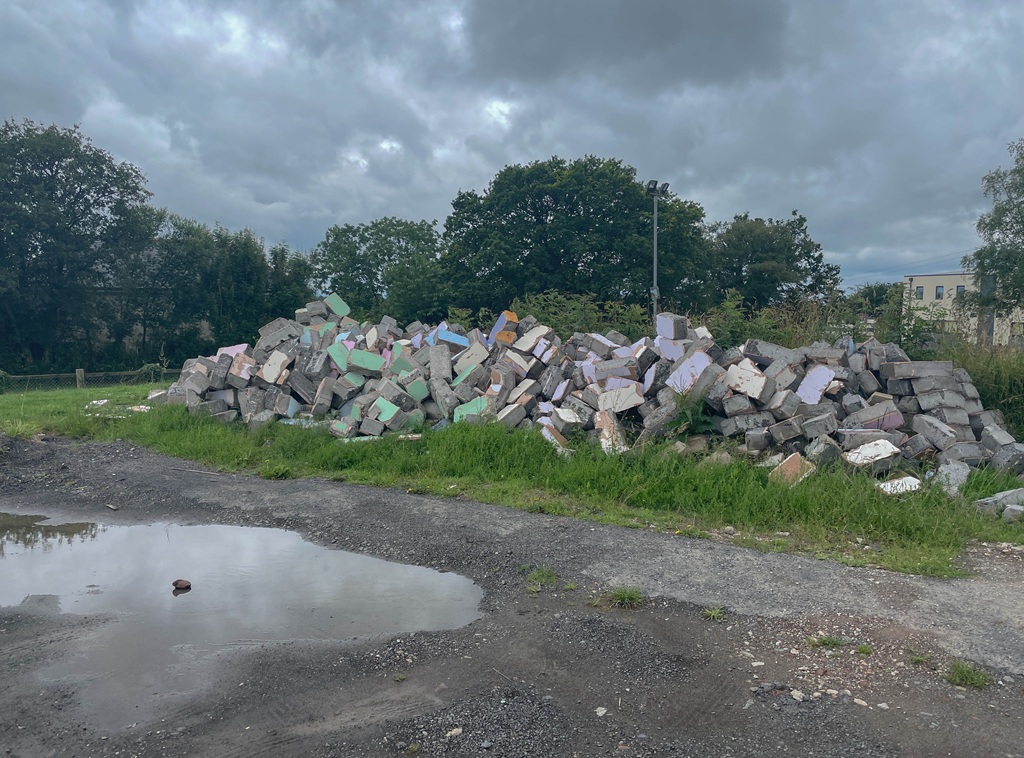
Fly-tipping has become one of the most visible waste problems in the UK. It’s there in lay-bys, alleyways, country lanes, housing estates and quiet roadsides. A mattress left by a bin store. Bags of rubble dumped near a field gate. Old furniture abandoned on the pavement. To some, it might look like a small nuisance. In reality, it’s a criminal, environmental and social problem that’s been growing harder to ignore.
The latest official figures for England show just how serious the issue has become. Local authorities dealt with 1.26 million fly-tipping incidents in 2024/25, up 9% from 1.15 million the previous year. Household waste was involved in 62% of fly-tips, with total household waste incidents rising by 13% year on year.
So, why has fly-tipping reached record levels, and what can homeowners, landlords and people arranging a house clearance do to avoid becoming part of the problem?
What Counts as Fly-Tipping?
Fly-tipping is the illegal dumping of waste. That might mean black bags dumped in an alleyway, old furniture left on a road, construction rubble tipped in a rural lane or household items abandoned beside public bins. The House of Commons Library explains that fly-tipping is a criminal offence under the Environmental Protection Act 1990 and includes depositing controlled waste on land without the proper licence.
It’s important to understand that fly-tipping isn’t only large-scale dumping. In 2024/25, the most common fly-tipping size category in England was a “small van load”, followed by a “car boot or less”. Highways, including pavements and roads, were the most common locations, accounting for 37% of all incidents.
In other words, much of the problem comes from everyday waste, the sort of waste that might come from a house clearance, garage clear-out, garden project or small DIY job.
The Cost of Doing the Right Thing Has Pushed Some People the Wrong Way
One of the main reasons fly-tipping rises is cost. Disposing of waste properly takes time, fuel, labour, sorting and legal disposal fees. Some people don’t want to pay those costs. Others are tempted by someone offering a cheap “man and van” collection online, without checking whether they’re licensed.
Research summarised by the House of Commons Library points to several causes of fly-tipping, including attempts to avoid disposal charges, lack of access to waste services and limited understanding of the rules. It also notes that some incidents arise when people try to recycle but leave items beside full containers or put waste out on the wrong day.
That doesn’t excuse it, but it does show why the issue isn’t just about individual bad behaviour. It’s also about confusion, convenience and rogue operators.
Rogue Waste Operators Are a Major Part of the Problem
Not every fly-tip begins with someone dumping waste themselves. Often, people pay someone else to take items away, believing the waste will be handled properly. Then it’s dumped elsewhere.
Keep Britain Tidy has warned that a huge number of waste crimes are committed by rogue “white van” operators who advertise cheap rubbish removal, take people’s money and dump their waste nearby. Its Fight Fly-Tipping Fortnight campaign is designed to expose this kind of “rubbish deal” and help residents understand their duty of care.
That’s why price alone should never be the deciding factor when booking waste removal or house clearance services. If someone can’t show a valid waste carrier registration, explain where the waste will go or provide proper paperwork, that’s a warning sign.
Household Waste Is Driving the Numbers
In 2024/25, household waste accounted for 62% of fly-tipping incidents in England. The “other household waste” category can include items from house or shed clearances, old furniture, carpets and small DIY waste.
That’s why responsible disposal matters so much during clearances. When a property is being emptied after a bereavement, tenancy, move or probate process, the volume of waste can be far higher than a normal weekly bin collection. Sofas, mattresses, wardrobes, fridges, carpets, tools, paints, garden waste and electricals all need different handling.
A responsible clearance doesn’t just remove things quickly. It sorts, separates, recycles, donates and disposes of items legally.
Enforcement Is Increasing, But It Hasn’t Solved the Problem Yet
Local authorities carried out 572,000 enforcement actions in 2024/25, up 8% on the previous year. Fixed penalty notices also rose to 69,000, but court fines decreased from 1,378 to 1,250.
The government has announced further measures through its Waste Crime Action Plan, including digital waste tracking and reforms to the waste carrier, broker and dealer system. Digital waste tracking is intended to provide regulators with a UK-wide platform to track waste movements in near real time, improving accountability and making it harder for rogue operators to hide.
Keep Britain Tidy has also welcomed tougher ideas such as crushing vehicles used by fly-tippers and giving licence points to drivers caught fly-tipping. The charity says more than nine in ten local authorities surveyed agreed that points on licences would help reduce the problem.
The direction of travel is clear: waste crime is being taken more seriously. But enforcement works best when the public also checks who they’re giving waste to.
What Householders and Executors Need to Know
If you’re arranging a clearance, you have a duty to take reasonable steps to ensure your waste is passed to an authorised person. The government’s waste duty of care guidance explains that householders should check a business is authorised before handing over waste and that keeping records can help show you met your duty if your waste is later investigated.
In practical terms, that means asking for a waste carrier licence number, checking credentials, avoiding suspiciously cheap quotes and choosing a provider that can explain its disposal process.
Langley’s provides rubbish and waste removal services across Hertfordshire, Bedfordshire, Buckinghamshire and North London. The company states that it is fully licensed by the Environment Agency as an Upper Tier waste carrier, diverts 95% of waste from landfill and works with local charities so pre-loved items can go to a good home where possible.
Final Thoughts
Fly-tipping has reached such troubling levels because several pressures meet at once: disposal costs, convenience, confusion, rogue operators, bulky household waste and inconsistent awareness of legal responsibilities.
But there is a simple principle that helps prevent it: know who is taking your waste and where it’s going.
A responsible clearance should leave you with more than an empty property. It should leave you with peace of mind that the contents have been handled legally, carefully and with the environment in mind.
If you’re planning a house clearance and want to avoid any risk of your waste ending up in the wrong hands, contact Langley’s House Clearance for friendly advice and a free, no-obligation quote.
