
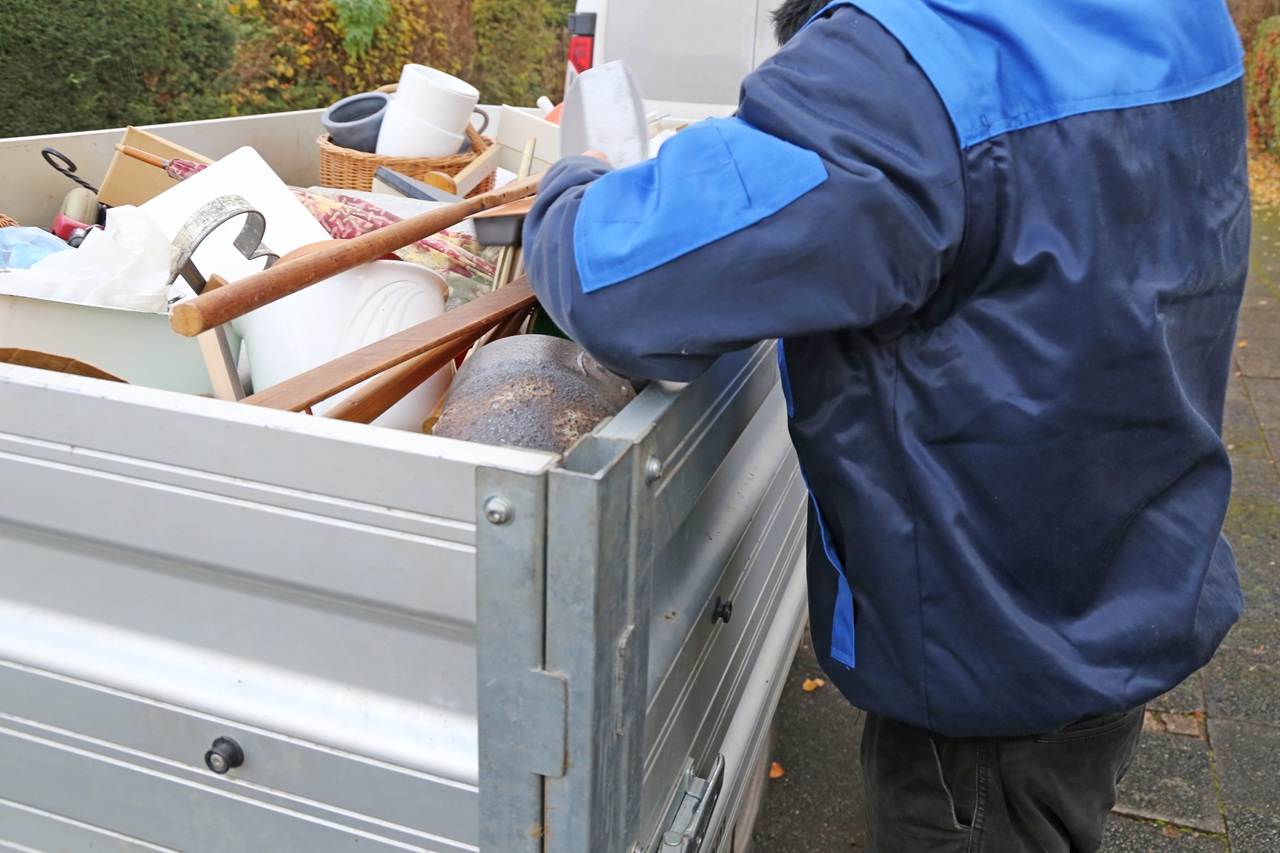
When you book a house clearance, the visible part of the job is straightforward. The team arrives, the property is cleared, rooms are emptied, bulky items are removed and the space starts to feel manageable again.
But for many people, the bigger question comes afterwards.
Where do all those items actually go?
It’s a fair question, especially if you’re clearing a loved one’s home, preparing a probate property, downsizing or dealing with years of accumulated belongings. A responsible clearance shouldn’t simply mean everything disappears into a van and ends up in landfill. Done properly, house clearance is about sorting, reusing, donating, recycling and disposing of items legally and carefully.
Here’s what usually happens behind the scenes.
First, Items Are Sorted
A professional clearance begins with separation. Not everything in a property belongs in the same category, so the team will usually sort items as they work.
Some items may be suitable for donation. Others may be recyclable. Some may have value and need setting aside. Certain materials, such as electricals, batteries, paint tins or chemicals, may need specialist handling. And some items, unfortunately, may only be suitable for safe disposal.
That sorting process matters because mixed waste is much harder to reuse or recycle. Once food waste, general rubbish, broken items and reusable goods are all thrown together, valuable materials can be contaminated and lost.
Langley’s house clearance services are built around this more careful approach, with full and part clearances covering homes, lofts, garages, gardens, probate properties and more.
Valuables and Sentimental Items Are Treated Carefully
One of the biggest worries during a clearance is that something meaningful or valuable might be missed. That’s especially true in probate clearances, where executors may need to identify jewellery, antiques, documents, collections or other estate items before anything is removed.
A good clearance team won’t treat everything as rubbish. If potentially valuable items are found, they should be flagged and discussed. Where an item has value, Langley’s can complete the required documentation for probate valuation, which is particularly useful for executors managing estate responsibilities.
Sentimental items matter too. Photographs, letters, medals, family papers and keepsakes may not have a high resale value, but they can be irreplaceable to relatives. That’s why preparation matters: clients should always set aside anything they definitely want to keep before the clearance begins.
Reusable Items Can Go to Charity
A large amount of what’s removed during a clearance may still be useful. Furniture, kitchenware, books, clothing, working appliances, ornaments and household goods can often be passed on, provided they’re clean, safe and suitable.
Reuse makes a real difference. Langley’s works with local charities to ensure pre-loved items go to a good home where possible, helping reduce waste while supporting the wider community. That means a clearance can become more than removal. It can help useful items start again somewhere else.
Some Items Are Recycled
Not everything can be donated, but many materials can still be recycled. Wood, metal, cardboard, paper, glass, textiles and certain plastics may all have recycling routes depending on condition and local facilities.
This is where a professional service can make a big difference. Sorting and transporting items correctly helps ensure more materials avoid landfill. Langley’s diverts 95% of waste from landfill and recycles as much as possible. That’s important because clearances can create far more waste than a normal household bin collection, especially when garages, lofts, sheds and gardens are involved.
Electricals Need Special Handling
Electrical items are common in house clearances. Old televisions, kettles, lamps, computers, microwaves, fridges, freezers and washing machines often turn up in cupboards, garages and spare rooms.
These items shouldn’t simply be thrown away with general rubbish. A responsible clearance team will identify these items and keep them separate so they can be handled through appropriate routes.
Hazardous or Specialist Waste Is Separated
Some items require extra care. Paint, solvents, batteries, oils, chemicals, gas bottles and asbestos-containing materials can’t be treated like ordinary household waste.
These materials may need specialist collection, packaging or disposal, and they should never be mixed into general rubbish. If a property has been neglected, used for DIY storage or left untouched for years, these items are surprisingly common.
This is one reason it’s important to be honest with your clearance provider before the job begins. If there are old paint tins in the garage, chemicals in a shed or suspicious materials in an outbuilding, tell the team in advance so they can plan safely.
The Rest Is Disposed of Legally
Even after donation and recycling, some items will still need disposal. Broken, damaged, contaminated or unusable materials may not have another route.
The key is that disposal must be legal. GOV.UK’s waste duty of care guidance states that if you use a private business, such as a house clearance company, to take away waste, you should check they are an authorised carrier with up-to-date and valid upper tier registration. GOV.UK also says householders can use a registered private business, including a household clearance service, to dispose of waste.
This protects you as well as the environment. If waste is handed to an unlicensed operator and later fly-tipped, it can still cause problems for the original householder.
Why Knowing This Matters
A house clearance can feel emotional, especially when it involves bereavement, probate or downsizing. Knowing what happens to items afterwards can make the process feel less harsh.
Useful belongings may help another household. Recyclable materials can be recovered. Electricals can be treated properly. Hazardous items can be handled safely. Valuables and sentimental pieces can be protected.
That’s the difference between simply clearing a house and clearing it responsibly.
Need a Clearance Team That Handles Items Properly?
If you’re planning a house clearance and want reassurance that items will be sorted, donated, recycled and disposed of responsibly, Langley’s House Clearance can help.
Their experienced team supports homeowners, executors, landlords and families with full and part clearances, probate clearances, lofts, garages, gardens and more.
For friendly advice or a free, no-obligation quote, contact Langley’s House Clearance today.
