
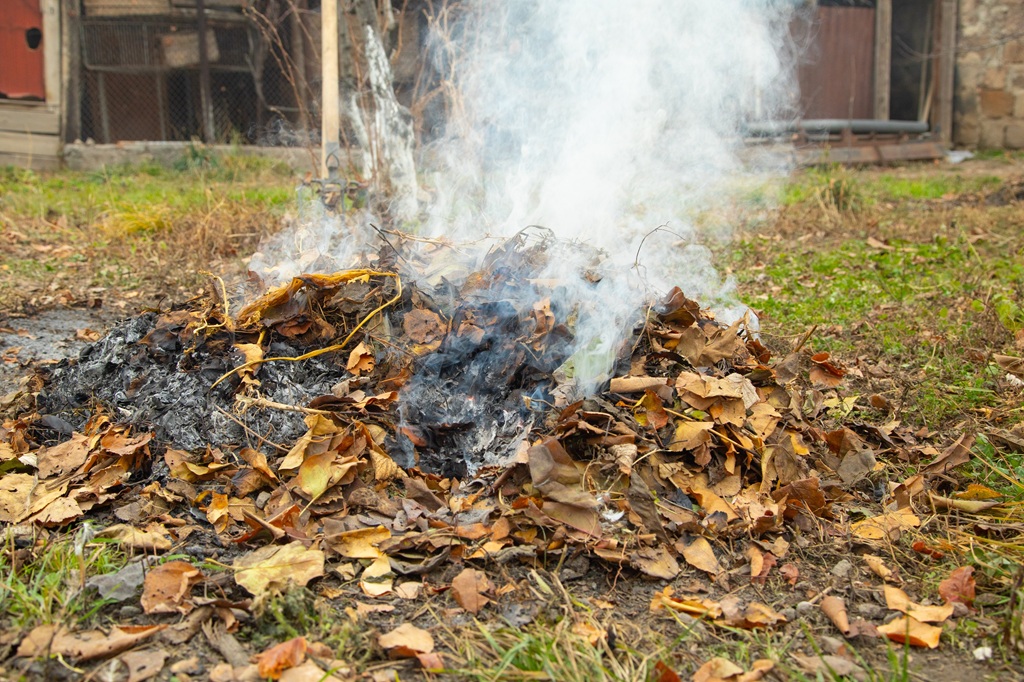
One of the great British joys is a good old fashioned garden bonfire. There’s something innately satisfying about using fire to purge your garden of its clutter and for many of us, even the smell of it can seem mildly intoxicating. But it can quite easily get out of control.
That’s why, in the UK, there are several clear laws pertaining to garden bonfires that stipulate not only what you can burn but how you can burn it.
What Can You Burn on a Garden Bonfire?
- Dry, untreated and unpainted wood
- Small amounts of paper or cardboard
- Plant cuttings and branches
That said, just because you can burn something doesn’t necessarily mean it’s the best option. Composting is a great way to turn waste into something functional and if you live in a region that supports it, you can even pay the council for a brown bin to put your waste in and they’ll come and collect it directly from the front of your house. If that’s not enough, meanwhile, professional garden clearance services are available for larger jobs.
What Should Never Go on the Fire?
- Plastic
- Rubber
- Oils
- Glass
- Metal
- Painted or treated wood
- Anything containing a batter
Many of these things can produce harmful smoke when burned that can be damaging not only to the surrounding area but the general public. That means no plastic plant pots, old tyres, broken plastic garden furniture, leftover paint tins, treated fence panels, laminate, MDF, fuel containers or oily rags. Even old pallets should be treated cautiously if you don’t know whether the timber has been chemically treated, painted or contaminated. Burning this stuff isn’t just antisocial either, it’s illegal.
If your garden clearance has uncovered a mixture of green waste, old furniture, rubble, pots and general rubbish, it’s usually better to sort it properly than try to make the bonfire solve everything. If you want to learn more, our guide to eco-friendly winter garden clearance has more ideas for composting, recycling and repurposing garden materials rather than simply burning them.
What About Smoke Control Areas?
Living in a smoke control area doesn’t automatically mean garden bonfires are banned as these laws typically apply more to chimneys, fireplaces, boilers and cookers. Garden bonfires are still permitted in smoke control areas, provided the normal rules on bonfires are followed, as outlined above.
However, your local council can still leap into action if the smoke caused by your bonfire could be classed as a general nuisance to public order and/or safety. So being technically allowed to have a bonfire doesn’t give anyone permission to smoke out the entire street. Generally speaking, it’s all about common sense. If you’re starting a bonfire that’s going to cover the entire neighbourhood in toxic fumes, then you shouldn’t be surprised if the council come knocking.
When Does a Bonfire Officially Become a Nuisance?
Your neighbours have rights too and local councils have a responsibility to investigate any complaints when any smoke or fumes reach the point of statutory nuisance. If the problem is serious enough a simple warning might not be enough and you’ll potentially be issued with an abatement order, which could lead you into serious legal trouble if ignored.
There’s also the road-safety issue to consider as smoke from your fire reaching the road potentially creates a danger to traffic. This is not only dangerous but illegal and could bring its own fine. In practical terms, that simply means thinking beyond your own fence and taking into account wind direction, how damp the material you’re burning might be and the size of the fire.
Sometimes the Best Bonfire Is No Bonfire at All
A garden bonfire can seem like a great idea until you end up the neighbourhood pariah. It’s a much safer (and more considerate) option to hire a professional garden clearance expert. That way you don’t need to worry about separating the wet wood from the dry wood and the plastic from the grass.
Langley’s offers full and part garden clearance services, including removal of garden furniture, rubble and waste, with materials recycled, reused or disposed of through the correct channels.
A bonfire can still have its place, of course, but it should never be the default answer and you should never get carried away. Burn only what’s genuinely suitable, think about the people around you and find a better route for everything else.
If your garden has moved beyond a few rogue branches and into full jungle territory, you can contact Langley’s House Clearance for a free, no-obligation quote and let somebody else deal with the dirty business.
