
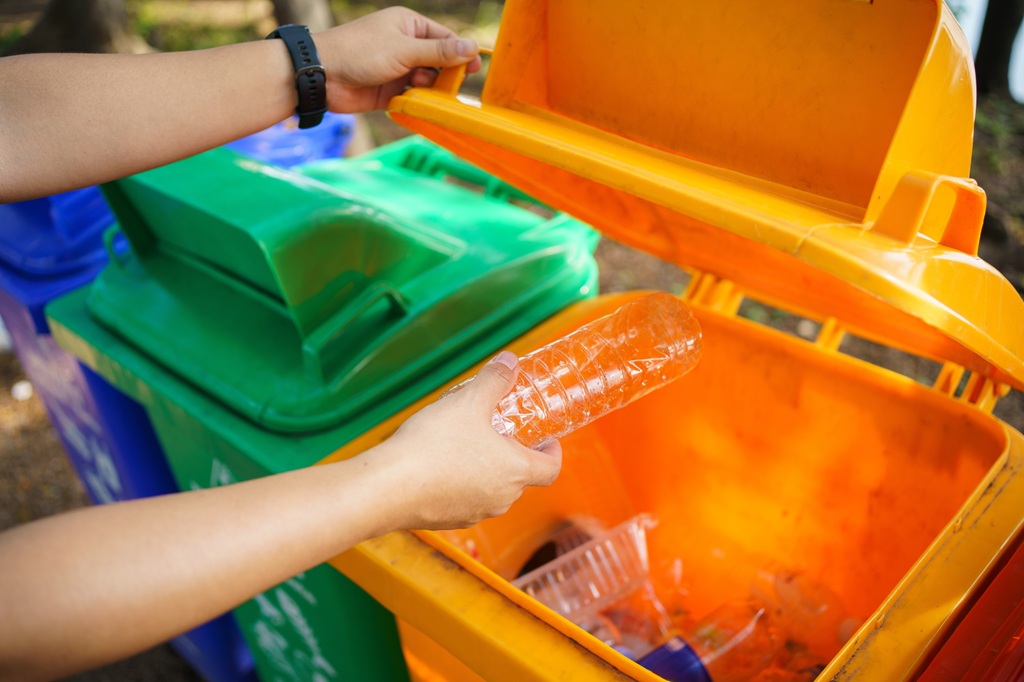
Recycling has always been one of those things that should be simple but rarely feels that way. One council accepts cartons, another doesn’t. One household has a food caddy; another has never seen one. Some areas ask residents to separate paper and card, while others collect everything together and sort it later.
The new recycling rules are designed to make that less confusing.
In England, the government’s “Simpler Recycling” reforms are changing how waste is separated and collected from homes, workplaces and public buildings. The aim is to make recycling more consistent, reduce contamination and cut the amount of waste being sent to landfill or incineration.
For homeowners, landlords, executors and anyone arranging a house clearance, these changes matter. A clearance isn’t just about removing items anymore. It’s about making sure waste is handled properly from the start.
What Are the New Recycling Rules?
The main change is consistency. Under the Simpler Recycling rules, waste collectors in England must collect key waste streams separately from households from 31 March 2026. These include food and garden waste, paper and card, other dry recyclables such as glass, metal, plastic and cartons, and residual waste, which is the non-recyclable waste left over at the end. The government has set out the household requirements in its official Simpler Recycling guidance.
Workplaces have already started moving over to the new system. Since 31 March 2025, businesses, charities and public sector organisations in England have had to separate dry recyclables, food waste and residual waste before collection. Micro-firms with fewer than 10 full-time equivalent employees have until 31 March 2027 to comply. You can read the workplace guidance on GOV.UK.
Although people often talk about “UK recycling rules”, waste collection is devolved, so Scotland, Wales and Northern Ireland have their own systems. For Langley’s customers across Hertfordshire, Bedfordshire, Buckinghamshire and North London, the England rules are the ones most likely to apply.
What Goes in Each Waste Stream?
The new system is built around clearer categories.
Food and garden waste includes food scraps and, where collected together, suitable garden waste. Councils may manage this differently depending on local arrangements, so it’s always worth checking the local authority website.
Paper and card should be kept as clean and dry as possible. That includes newspapers, envelopes, cardboard boxes and packaging card, but greasy takeaway boxes or heavily contaminated paper may not be suitable.
Dry recyclables include glass bottles and jars, metal tins and cans, plastic bottles, pots, tubs and trays, and cartons. From 31 March 2027, plastic film packaging and plastic bags will also need to be collected with plastic recycling under the household rules.
Residual waste is everything that can’t be reused, recycled or composted through the correct channels. The goal is to keep this as low as possible.
Why the Rules Matter During House Clearance
During a normal weekly bin collection, sorting waste might mean rinsing a few tins and using the right caddy. During a house clearance, the scale is very different.
A property clearance can involve furniture, mattresses, white goods, electricals, paperwork, clothing, food waste, paint tins, garden waste, general rubbish and items that could be donated or reused. If everything is mixed together, it becomes much harder to recycle properly.
That’s why sorting at the start matters. Separating paper, card, metal, plastics, glass, reusable items, garden waste and general waste can make the whole clearance smoother and more sustainable. It also reduces the chance of recyclable materials being contaminated by food, liquids or hazardous waste.
What About Bulky Items and Electricals?
The new recycling rules don’t mean everything can go into ordinary household bins. Bulky items such as sofas, wardrobes, fridges, washing machines and mattresses often need separate handling.
Electrical items are especially important. They shouldn’t simply be treated as general waste, because many contain materials that can be recovered, as well as components that need safe disposal.
This is one reason professional clearance can be helpful. Langley’s house clearance services include full and part clearances, rubbish clearance, garage clearance, loft clearance and garden clearance, helping ensure different types of waste are handled through the right routes.
Don’t Forget Your Duty of Care
If you arrange for someone else to take waste away, you still need to make sure they’re legally allowed to do so. GOV.UK states that if you use a private waste company, such as a house clearance service, you must check that the business is on the register of waste carriers. The official guidance on disposing of household waste also warns that you could be fined if your waste is passed to someone who isn’t legally allowed to take it.
That matters because fly-tipped waste can sometimes be traced back to the original property. A cheap clearance quote isn’t a bargain if it creates a legal problem later.
Langley’s is fully licensed by the Environment Agency as an Upper Tier waste carrier and states that it diverts 95% of waste from landfill where possible, with usable items passed on to charities, animal shelters and recycling centres. You can find more on the Langley’s homepage.
How to Prepare for a Clearance Under the New Rules
The easiest way to stay organised is to think in categories before the clearance begins.
Keep documents, valuables and sentimental items separate. Put reusable items to one side if they may be suitable for donation. Keep paper and card dry. Empty cupboards carefully so food waste doesn’t contaminate recyclable packaging. Don’t mix paint, chemicals, batteries or electricals with ordinary rubbish.
If the property has a garage, loft, shed or garden, expect a wider mix of materials. These spaces often contain old tools, tins, furniture, appliances, timber, plant pots, garden waste and items that need specialist disposal.
Final Thoughts
The new recycling rules are really about one simple idea: waste is easier to recycle when it’s separated properly.
For everyday households, that means using the right bins and caddies. For larger clearances, it means planning ahead, sorting carefully and choosing a clearance service that understands responsible disposal.
If you’re preparing for a house clearance and want to make sure waste is handled legally and sustainably, contact Langley’s House Clearance for friendly advice and a free, no-obligation quote.
