
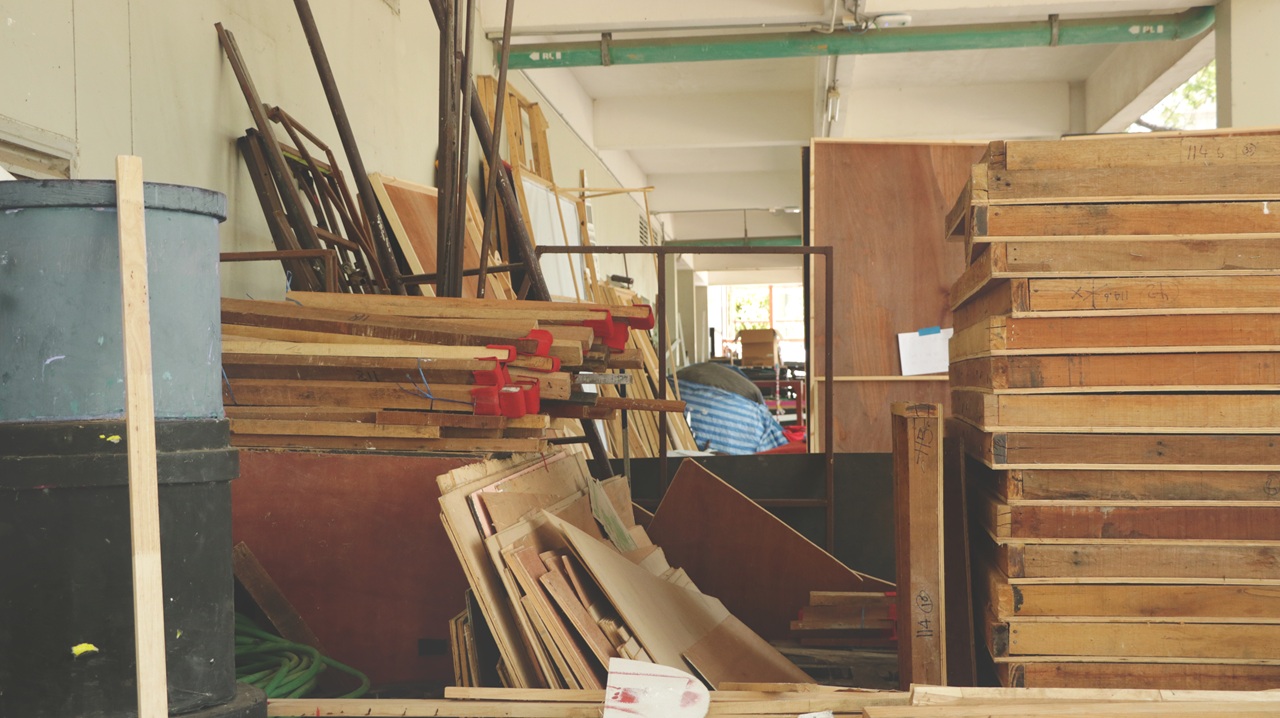
When it comes to clearing a property, the main living spaces (rooms, kitchen, bathrooms) are often the obvious starting point. But what about the hidden or external spaces like the loft, the garage, the garden, the outbuildings? These areas can pose just as much challenge, and they often require specialist touch to be cleared properly.
Because we’re all about clearing your entire home, not just the house itself, we’ve put together a guide on what these additional spaces involve and how a full-service clearance can cover them all.
The Hidden Areas That Matter
Lofts and attics
Over time, lofts often become “storage by default” full of old dusty boxes, furniture and Christmas decorations. Left unchecked, loft stacks can lead to safety risks (excess weight, blocked boarding, pest access). A professional clearance can help reclaim the space, sort, remove and repurpose items you no longer need.
Garages and outbuildings
Garages usually have a mix of workshop tools, old garden equipment, tyres, paint cans, boxes and general rubbish which accumulates over time. Outbuildings (sheds, garden rooms) often mirror that pattern. Clearing these spaces means moving bulky items safely, checking for spills or hazardous materials, and ensuring the area is useable again.
Gardens, yards and external space
Gardens can house sheds, green-waste, patio furniture, old play-equipment, plant pots, broken fencing, weeded shrubbery and more. When preparing a property for sale, or simply reclaiming outdoor space, cleanup of the garden or yard is as important as the interior.
Other ancillary spaces
Cellars, loft-storage above garages, side returns, storage rooms, and even outhouses all count. A comprehensive clearance considers all these spaces rather than stopping at the front door.
What a One-Stop Clearance Covers
Choosing a service that covers all these spaces ensures you don’t end up piecing together multiple providers. A full-service clearance will typically offer:
- A free survey/quote that walks through all parts of the property (living areas, loft, garage, garden etc) and identifies items to remove, reuse, recycle or donate.
- Clearance of large items and removal from difficult to access spaces (loft hatch, narrow garage, garden path).
- Sorting of items: what stays, what goes, what can be donated, what needs safe disposal (paint, old machinery, garden chemicals).
- External and internal clearing: garden waste, patio slabs, overgrown shrubs, unwanted sheds, broken fencing.
- Safe disposal and recycling of waste in full compliance with licensing, environmental guidelines and best practice.
- Restoration of cleared spaces: sweeping garages, removing garden waste, clearing out the loft boarding, making sure the space is left clean and ready for repurposing or sale.
- Coordination of all spaces so the property is truly “clear” and ready for whatever comes next.
Why This Broad Approach Matters
Completeness: If you clear only the rooms and ignore the garage and garden, you’ll still have a property needing attention. A full approach avoids overlooked areas.
Value & sale-readiness: For many properties (especially if going on the market or under probate), buyers or solicitors will look at the whole site. A tidy external space and garage adds to appeal.
Health & safety: Garages and lofts often pose risk (old chemicals, unstable items, pest ingress). Garden waste or broken structures can be hazardous too. Clearing them properly reduces liability.
Reuse and sustainability: Clearing a garage or garden often reveals items that can be reused or donated from lawnmowers to garden furniture. Recognising this adds value and reduces waste.
Emotional and logistical relief: Many clients feel relief when all those spaces are covered. Clarifying from the start that loft, garage and garden are included makes a big difference.
Practical Tips for Clients Facing Multi-Space Clearance
- Walk the full site with the provider: Include lofts, garages, garden sheds and grounds when you get the quote. That avoids hidden costs or overlooked areas.
- Decide what should stay versus go: For example, in a garage you might keep certain tools or equipment, but clear old boxes and unused garden furniture. Mark or label items you want retained.
- Ask about external access/logistics: Is there a side access gate, a steep garden path, or limited street access? These can affect cost/time.
- Clarify what happens to garden waste and outdoor items: Old shed, broken concrete, garden furniture, plant pots.
- Check for recycling/donation options: Items from loft or garage may still have good life (tools, metal items, furniture). Ask how they are handled and outline whether they’re to be donated, recycled or sold.
- Set realistic timing: Multi-space clearances may take longer than just clearing rooms. Discuss schedule and expectations.
- Ensure licensing and legal compliance: Especially if items from a garage or garden include hazardous substances (paint, solvents, old chemicals). Make sure disposal is properly handled.
Final Thoughts
A house-clearance doesn’t stop at the living room so a clearance that treats every part of the property gives you confidence that nothing’s been left behind. It means value is unlocked, risk is reduced, and you’re not left with “just one more area” to deal with. When the job truly covers lofts, garages, out-buildings and gardens, the outcome is a property you can hand over, sell, repurpose or move on from.
