
When people think about house clearance, they often picture furniture, boxes and everyday belongings. What’s often overlooked, however, are the items that carry genuine risk not just to the environment, but to health and safety too. From old paint tins tucked away in a shed to ageing electricals, or even asbestos hidden in older materials, these hazards are more common than most people realise.
That’s why safe handling isn’t just good practice but essential.
The Hidden Risks Lurking in Everyday Items
Many of the most dangerous items in a house clearance don’t look dangerous at all.
Old Paint Tins and Chemicals
Leftover paint, solvents and cleaning products are frequently found in garages, lofts and cupboards. While they might seem harmless, many contain toxic chemicals and are highly flammable, particularly oil-based paints.
These substances can contaminate soil and water if disposed of incorrectly, and they pose a real fire risk if stored or transported unsafely. Oil-based paints, in particular, are classed as hazardous waste and must never be poured down drains or thrown in general waste.
Even collection isn’t straightforward. Local authorities often limit how much hazardous waste like paint can be accepted in one visit, which adds another layer of complexity.
Electrical Items and Hidden Hazards
Old electrical appliances are another commonly overlooked risk. Fridges, televisions and older electronics may contain harmful components or materials that require specialist disposal. In some cases, damaged wiring or components can also pose fire or shock risks during removal.
These items can’t simply be thrown away. They need to be handled, transported and processed through approved recycling routes.
Asbestos in Older Properties
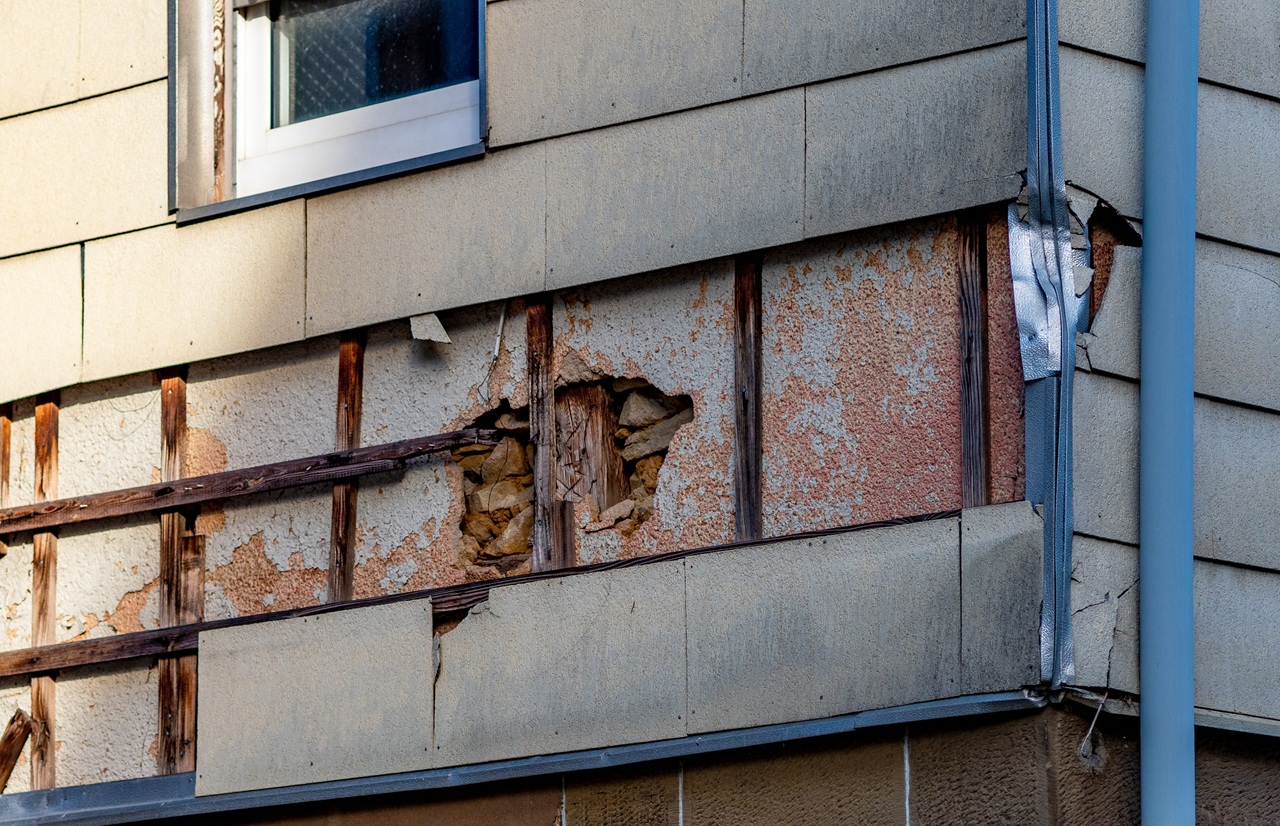
Perhaps the most serious hazard in house clearances is asbestos. Found in many UK homes built in the 20th century; it can be present in:
- Insulation boards
- Ceiling tiles
- Pipe lagging
- Garage or shed roofing
When disturbed, asbestos releases microscopic fibres that can cause severe long-term health issues. Around 5,000 deaths per year in the UK are linked to asbestos-related diseases, highlighting just how dangerous it can be. Because of this, asbestos is legally classified as hazardous waste and must never be mixed with general household waste. It must always be handled by trained professionals, sealed correctly and transported to licensed disposal facilities under strict regulations.
Why You Can’t Just “Clear It Yourself”
One of the biggest misconceptions about house clearance is that it’s simply a matter of removing items. In reality, hazardous materials come with strict legal responsibilities.
Under UK law, there’s a duty of care to ensure waste is handled safely and doesn’t harm people or the environment.
That includes:
- Identifying hazardous materials
- Keeping different waste types separate
- Using licensed carriers and disposal sites
- Maintaining proper documentation
Mixing hazardous waste with general waste is prohibited unless specifically authorised.
This is where professional clearance services play a crucial role.
Handling Bulky Items Safely
While hazardous waste presents chemical or health risks, bulky items bring a different set of challenges.
Large furniture, appliances and structural items can:
- Cause injury if lifted incorrectly
- Damage walls, floors or staircases
- Require dismantling before removal
- Need multiple people or specialist equipment
It’s not uncommon for injuries to occur during DIY clearances simply due to lifting heavy or awkward items incorrectly. Professional teams are trained to manage these risks, using proper lifting techniques, equipment and planning.
How Professionals Manage Risk
Professional house clearance teams manage risk at every stage.
1. Identification and Assessment
Before work begins, experienced teams assess the property to identify:
- Hazardous materials
- Heavy or complex items
- Access challenges
- Safety risks
This ensures the right equipment, team size and disposal methods are planned in advance.
2. Safe Handling and Protective Equipment
For hazardous materials like asbestos, strict protocols are followed, including:
- Sealing materials in approved packaging
- Using protective clothing and equipment
- Preventing fibre release or contamination
- Transporting waste under regulated conditions
Even for less obvious hazards like paint or chemicals, materials are kept separate and handled carefully to avoid spills, contamination or fire risk.
3. Legal Compliance and Documentation
Professional clearance teams ensure all waste is:
- Transported by licensed carriers
- Taken to approved facilities
- Documented with proper waste transfer notes
This protects both the property owner and the clearance provider from legal issues.
4. Efficient and Controlled Removal
For bulky items, professionals use:
- Proper lifting techniques
- Dismantling tools
- Coordinated team handling
This reduces risk of injury and ensures items are removed without damage to the property.
Why Safety Matters More Than Ever
With tighter regulations, increased environmental awareness and stricter waste controls, safe clearance isn’t just about convenience. It’s about responsibility.
Hazardous materials can’t be treated like general rubbish, and bulky items can’t be handled without proper planning. What might seem like a simple clearance can quickly become complex if risks aren’t managed correctly.
Need Help with a Safe and Compliant Clearance?
If you’re dealing with a property that may contain hazardous materials or bulky items, Langley’s House Clearance can help. Their experienced team understands how to identify risks, handle materials safely and ensure everything is removed in line with current regulations.
To arrange a free, no-obligation quote or get advice on your situation, get in touch with Langley’s today and take the stress (and risk) out of your clearance.
