
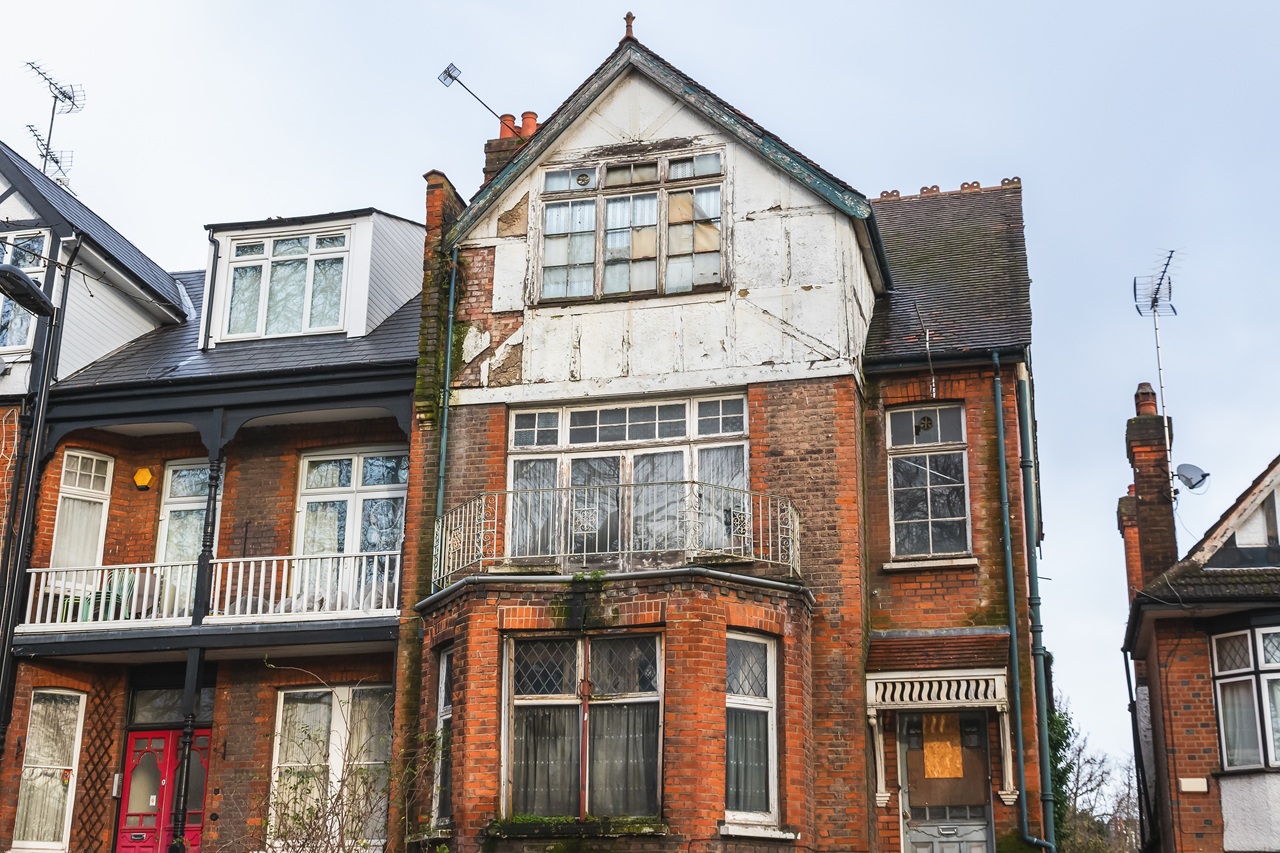
Properties that have been neglected (whether through illness, long-term absence, tenancy issues or simply years of deferred maintenance) present a set of unique challenges quite different from standard house clearances. This will be more than a spit and polish and that’s putting it mildly.
When conditions involve unsanitary build-up, heavy damage, pest issues, or accumulated debris, what’s needed is a restoration-tier clearance: removal, deep cleaning, sanitisation and preparation for sale or transfer.
Here’s how clearances should work and what you need to ask for when selecting a service.
Why Neglected Properties Require More Than a Standard Clearance
When a home has been left unattended for a long period, or where illness or incapacity has prevented maintenance, several complicating factors often emerge:
- Major build-up of waste, old furniture, accumulated debris or garden overgrowth.
- Unsanitary conditions: mould, damp, pest infestation, hoarded items, or blocked services.
- Health or safety hazards such as structural issues, unstable flooring, long-term water damage, or vermin.
- Demand for restoring a property to a saleable condition that’s beyond simply “empty, but presentable.”
In short: when a property has “gone off schedule” in terms of upkeep, you need a clearance partner capable of both physical removal and restoration-level cleaning.
What Restoration & Deep-Clean Services Typically Involve
When selecting a provider for these more complex properties, look for a scope of work that includes:
- Initial Survey & Hazard Assessment – A full site assessment to locate structural issues, pest/insect infestation, mould, or biological hazards (water damage, damp, rodent droppings).
- Clearing & Waste Removal – Removal of furniture, accumulated items, garden debris, redundant equipment, and all non-usable stock.
- Deep Cleaning & Sanitisation – Kitchens, bathrooms, communal spaces, lofts, garages and garden outbuildings may all need deep-cleaning: degreasing surfaces, removing mould and sanitising bath/kitchen units. Many specialist cleaning companies offer void cleaning and bio-hazard safe disposal.
- External Areas & Garden Support – Neglected gardens or yards often require clearing vegetation, removing broken furniture/pots, and restoring access. For clearance of such spaces some providers explicitly include exterior and ground-level cleaning.
- Final Condition Preparation – After cleaning, the property should be left in a condition suitable for sale, letting or hand-over: clean surfaces, cleared floors, accessible rooms, garden tidy.
- Documentation & Licensing Compliance – Particularly with unsanitary or complicated clearances, confirming that the provider uses licensed waste-carriers, has correct insurance, disposal documentation and follows environmental regulations is essential.
Example Scenarios and Their Approach
Scenario A – Long-term illness and property neglect
A homeowner becomes unable to manage their property, leading to the accumulation of items in the loft and garden, water damage and mould in the kitchen. A specialist service would first assess damage, clear contents, then deep-clean the loft, remove mould, sanitise kitchen surfaces and restore the garden. This approach ensures the home is structured safely and presented professionally when it comes to hand-over or sale.
Scenario B – Let property vacant for months, tenants moved out, leaving mess.
A rental property has been abandoned, with heavy carpet staining, garden overgrowth, rubbish accumulation and blocked loft access. The clearance team removes all items, cuts back vegetation, deep-cleans bathrooms and kitchen, clears gutters or external access, and confirms the space is usable again. The result: the property can be panelled, ready for market rather than just “emptied”.
What to Ask Your Clearance Provider
When commissioning a clearance of a neglected or unsanitary property, ask the provider:
- Do you conduct an initial risk or hazard survey?
- Will you provide a detailed scope covering all required rooms (kitchen, bathroom, loft, garden, outbuildings)?
- Does your quote include deep cleaning of hard surfaces (bathroom, kitchen units), mould/mildew removal, garden/yard refuse removal?
- How do you handle garden/out-building debris or large outdoor items?
- Are you a licensed waste-carrier? Will you provide documentation of legal disposal?
- What condition will the property be handed back in? Will it be simply clear, or cleaned to sale/let standard?
- Do you provide before-and-after photographs or confirmation of cleaning/sanitising work?
- Are your operatives trained for unsanitary or hazardous conditions (mould, pests, damp, water damage)?
The Benefits of Doing It Properly
Clearing a neglected or unsanitary property properly brings multiple advantages:
- A property prepared to a high standard is more ready for sale or letting, reducing risk of last-minute remedial work.
- Health and safety risks are mitigated so mould, pests, water damage, blocked services are all addressed.
- For estates or probate scenarios, comprehensive cleaning and clearance ensures the property meets professional standards, easing hand-over and reducing liability.
- The emotional burden on family, executors or owners is lower when the clearance is done thoroughly and respectfully, not just “emptied out”.
Final Thoughts
When you’re dealing with a property in disrepair, unused for months or years, or where illness, neglect or tenancy issues have left it unsanitary, you need more than a standard house-clearance. You need a service capable of full restoration: removal, deep-cleaning, sanitising, external clearance and preparing the home for its next chapter.
By selecting a provider who offers this breadth of service you’re ensuring the property is not just cleared, but truly restored and ready.
