
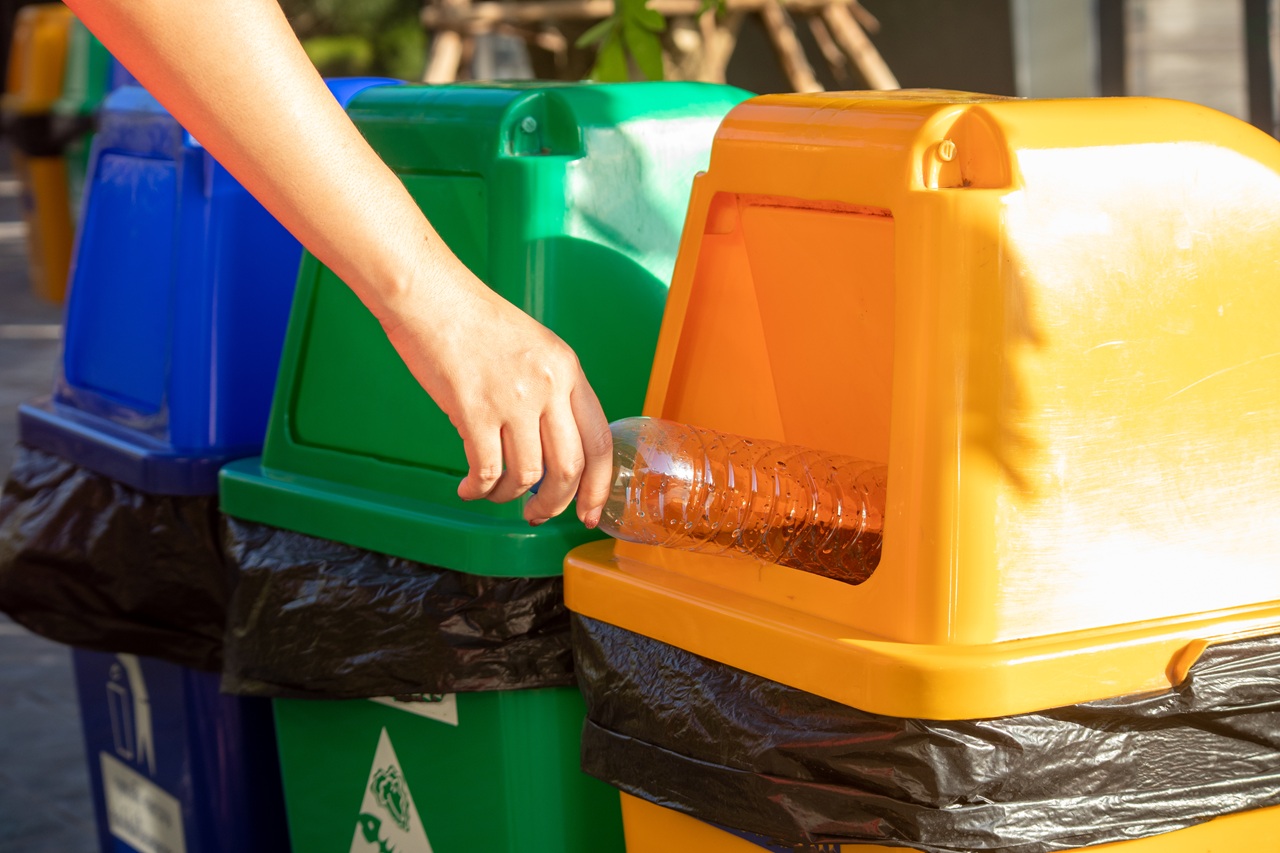
In April 2025, a significant new piece of waste-management legislation came into force across England, aimed at modernising how waste is sorted and collected. Known broadly as the Separation of Waste (England) Regulations 2025, this framework is part of the government’s Simpler Recycling reforms, which represent a wider effort to increase recycling rates, cut landfill waste and help households and businesses contribute to a more sustainable, circular economy.
For homeowners, property professionals and executors dealing with house clearances, understanding these regulations helps ensure compliance, avoid unexpected fines and make the most of recycling opportunities.
What Are the 2025 Waste Separation Regulations?
The Separation of Waste (England) Regulations 2025 came into effect on 31 March 2025 and require certain types of waste to be presented and collected separately rather than mixed together.
Under these regulations:
- Dry recyclable waste (such as paper, card, plastic, glass and metal) must be separated from other waste streams.
- Food waste must be segregated from general waste and collected separately where it is produced in significant amounts.
This naturally affects how waste is prepared for collection by councils or licensed carriers after a house clearance, a move, or a property handover.
The goal is to reduce contamination in recycling streams (so more material can be reused), support circular-economy objectives, and ultimately reduce the volume of waste going to landfill.
Simpler Recycling: A More Unified Approach
These regulations are closely aligned with the government’s Simpler Recycling strategy. Designed to replace the fragmented bin systems of the past, this policy makes recycling more consistent across different regions.
For example:
- Businesses and other non-household premises with 10 or more employees had to begin complying with separation requirements from 31 March 2025.
- Local authorities will be required to roll out consistent recycling collections for households by 31 March 2026 including separate pickups for food waste and dry recyclables.
- By 31 March 2027, even micro-businesses (with fewer than 10 employees) will need to meet these requirements.
In practice, this means that even in residential or estate clearances, anyone preparing a property for sale or transfer should consider how refuse and recycling will be presented and plan accordingly, whether working with household bins or arranging a licensed waste carrier to handle bulk or non-routine waste.
How This Affects Property Clearances
Whether you’re an executor sorting an estate, a homeowner downsizing, or a property professional clearing a vacant home, these changes matter:
1. Waste Must Be Segregated at Source: The regulations are clear: different waste streams must be separated at the property before collection. This makes it easier for councils and waste carriers to divert materials into appropriate recycling or composting streams.
2. Food Waste Needs Its Own Stream: All food waste must be kept separate from general garbage. This can affect how you organise kitchen clear-outs, especially if a home has been empty for a while or hasn’t been sorted in some time.
3. Planning Matters: If you’re arranging a clearance, it pays to think ahead. This might mean having separate bins or containers ready for food waste, dry recyclables (paper, card, plastics etc.) and general rubbish, whether before a council collection, a licensed carrier visit, or during a skip hire.
4. Compliance Helps Avoid Issues Later: Even though these regulations are more immediately targeted at workplaces and certain commercial premises, councils are preparing to require households to separate waste by 2026 and beyond. Staying ahead of the game avoids last-minute adjustments at the point of sale, moving, or occupancy.
Practical Tips for Executors and Home-Owners
Here are ways to prepare so that waste separation is handled properly during a clearance:
Discuss Waste Streams Early: Before any property clearance, check what materials will be collected and how. This includes recycling, food waste, general waste and any bulky waste. Ensure that your plan aligns with local council or waste contractor requirements.
Use Licensed Waste Carriers: Licensed carriers understand these rules and can help ensure materials are transported to the right facilities.
Set Up Clear Segregation on Site: Even simple solutions like using separate bags or containers for dry recyclables, food waste and general waste can make a big difference in compliance and recycling success.
Stay Informed About Local Collections: The exact bin arrangements and implementation dates may vary by location, so check with your local authority or waste carrier for specific guidance.
Why It All Matters
These 2025 regulations represent a shift in how waste is understood, managed and ultimately reused in England. By requiring separation of waste at the source, the government aims to:
- Improve recycling quality and quantity
- Reduce contamination of recyclable materials
- Cut the volume of waste sent to landfill
- Support a more circular economy by enabling higher-value reuse of materials
For anyone involved in house clearance (especially in estates, probate, or property turnover) understanding and preparing for these changes helps ensure environmental compliance and avoids delays or complications down the line.
Whether you’re clearing a home before a sale, managing an estate’s end-of-life responsibilities, or planning a major declutter, thinking about waste streams early and organising materials properly will make the process smoother, more compliant and better for the environment.
If you’re unsure how these regulations apply to your specific situation, talking with your local waste collector or a licensed clearance service such as Langely’s can help clarify the best way forward. Feel free to contact us today for more information.
