
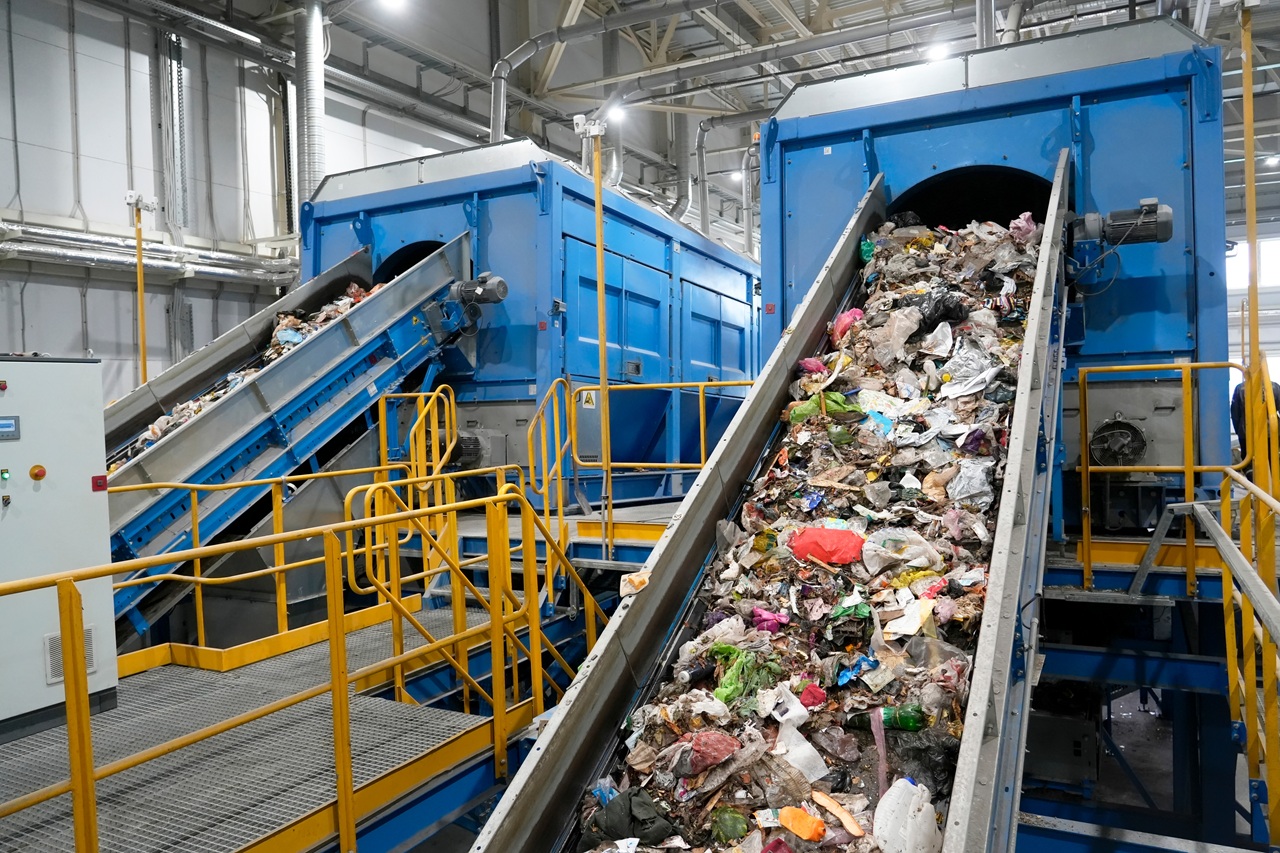
Managing waste isn’t just about collecting it but how it’s tracked, sorted, reused and even monetised and technology is rapidly transforming the process. For homeowners, executors and property professionals, understanding these trends offers a unique insight into how clearance work will interface with smarter waste systems, better recycling pathways and tighter environmental compliance.
Here’s a look at the most important technology trends influencing waste management in 2026.
1. AI and Automation Revolutionise Waste Sorting
Artificial intelligence (AI) is already being deployed to supplement human roles in material sorting. Advanced sorting systems use computer vision, machine learning and robotics to identify and separate items in a waste stream with impressive speed and accuracy. In recycling plants, these systems detect different material types and evaluate their value, enabling higher-quality recyclable bales and better recovery rates. Some facilities can process up to tens of tonnes per hour using AI-assisted machinery, reducing contamination and increasing recycling yields.
2. Digital Waste Tracking: Transparency Across the Waste Chain
New digital waste tracking systems are set to become a cornerstone of waste regulation. In the UK, a mandatory Digital Waste Tracking service is scheduled to expand from 2026, requiring licensed facilities and operators to record waste details electronically. The goal is to replace fragmented, paper-based record-keeping with a standardised digital trail for waste movements that improves traceability, reduces illegal dumping and supports circular-economy ambitions. This shift means that every stage from clearance, transport and hand-off at recycling centres can be documented and reported in real time. For estates or executors using licensed clearance services, this adds another layer of assurance and compliance.
3. Real-Time Sensors and the Internet of Things (IoT)
IoT sensors embedded in bins and containers can now report fill levels, contamination levels and collection needs in real time. This allows for:
- Dynamic routing of collection vehicles based on demand
- Predictive scheduling of waste pickups
- Early identification of contamination or mis-sorting issues
Such systems reduce unnecessary collections and cut costs while boosting efficiency. They’re becoming common in city schemes and urban networks and technologies like sensors and data analytics are likely to extend into commercial and clearance contexts over time.
4. New Interfaces for Public Participation and Recycling Incentives
Technologies such as reverse vending machines leverage automation and incentives to encourage correct recycling behaviour. These machines accept used bottles or containers, sort them automatically and often reward users with credits or monetary benefits making proper recycling easier and more engaging for the public. In a broader sense, tech adoption is helping to address one of the biggest challenges in recycling: consistent, correct sorting at source, which has a direct impact on how much can ultimately be reused.
5. Emerging Circular-Economy Platforms and Traceability
Beyond AI and digital tracking, there’s a trend toward platforms that digitise entire waste networks and material flows. Companies such as CleanHub, for example, are building systems that trace plastic and other waste from collection to fate, using digital monitoring and auditing tools. These technologies help businesses, consumers and waste professionals track impact and verify outcomes. These platforms are part of a broader shift towards circular-economy frameworks where waste isn’t an endpoint, but a resource stream that can be measured, traded and optimised.
6. Extended Reality & Data Analytics in Waste Planning
While still emerging, some of the most exciting research points to data-driven decision systems that use advanced analytics to fine-tune waste operations. For example, future models combining AI, IoT and predictive analytics could shape waste-collection networks, forecast peaks in different materials, and even balance recycling capacity against projected flows. These trends mean that waste management is becoming proactively predictive rather than reactive.
7. Broader Tech-Enabled Policy & Regulatory Integration
Beyond individual tools, the waste sector is moving toward policy-enabled digital integration. Mandatory digital tracking and smarter reporting systems are part of a broader regulatory effort to ensure waste is managed transparently, traceably and sustainably across the entire lifecycle. Clearance services that keep up with these trends not only comply with current rules but adapt more smoothly to future requirements as technology becomes part of regulatory frameworks.
Why These Trends Matter for Clearances
Though often discussed in industry settings, these technological shifts have practical implications even for property clearances: –
- Better diversion from landfill: Smarter sorting means more material can be recycled or reused, reducing landfill load.
- Compliance assurance: Digital records improve accountability and regulatory alignment for licensed waste carriers.
- Operational efficiency: Smarter collection and predictive planning can reduce delays and cut clearance costs.
- Future readiness: Understanding these trends puts executors, property managers and households ahead of evolving waste-management standards.
Looking Ahead
In 2026, waste management is a data-driven, technology-enabled industry that blends sustainability with operational intelligence. The innovations emerging today (from AI-driven sorting to digital tracking systems) are setting new benchmarks not just for waste companies, but for every stakeholder in the life cycle of materials.
As these systems mature, they’ll influence everything from municipal services to how licensed house-clearance professionals operate, making waste not just easier to manage, but smarter, cleaner and more accountable.
